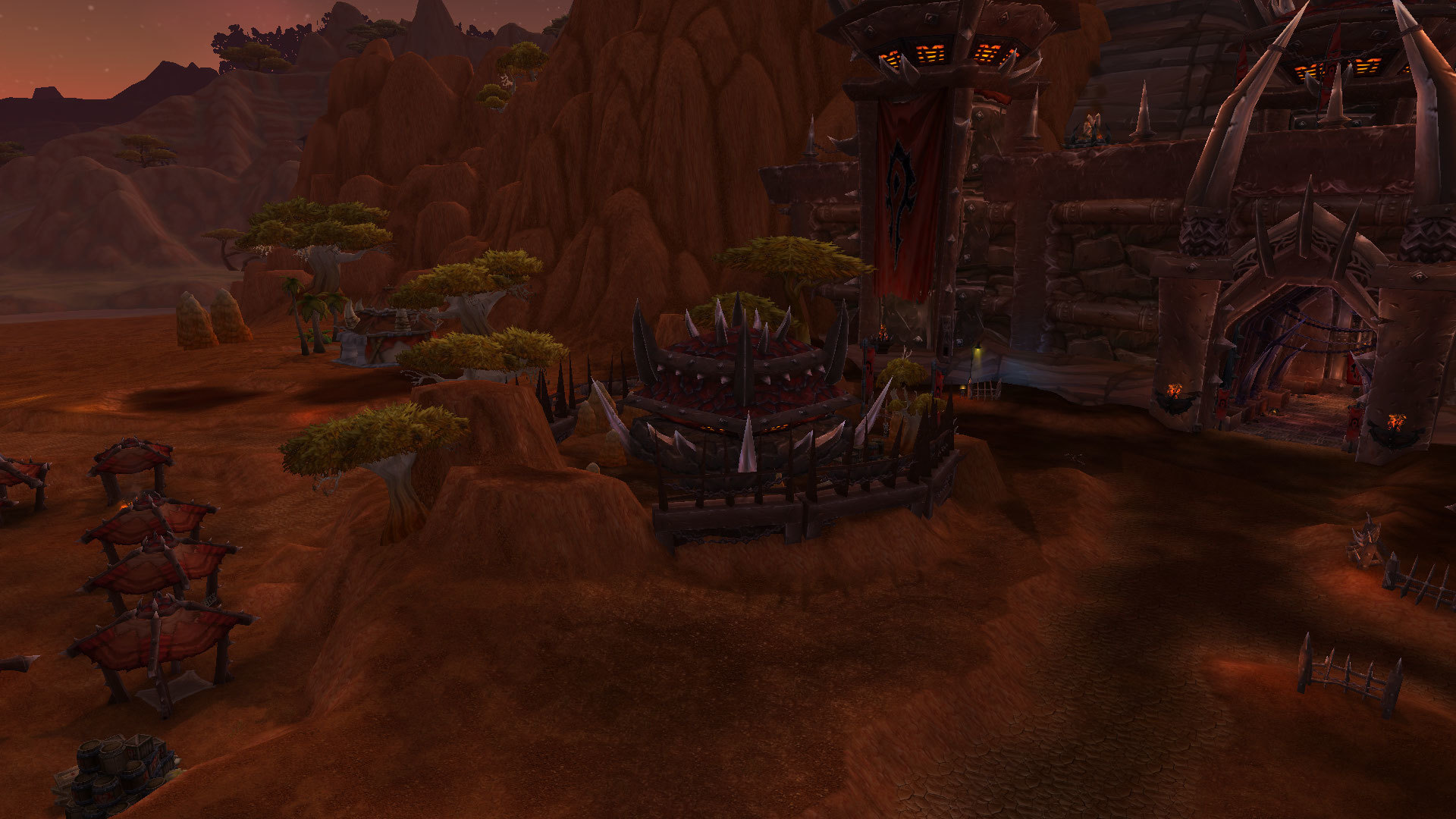
The founding of Durotar is a pivotal moment in the lore of World of Warcraft, marked by strategic alliances, secret treaties, and significant bloodshed. This guide delves into the complex political landscape, the key figures involved, and the battles that shaped this new land. Understanding these elements is crucial for players seeking to grasp the depth of the game’s narrative and its impact on the overall storyline.
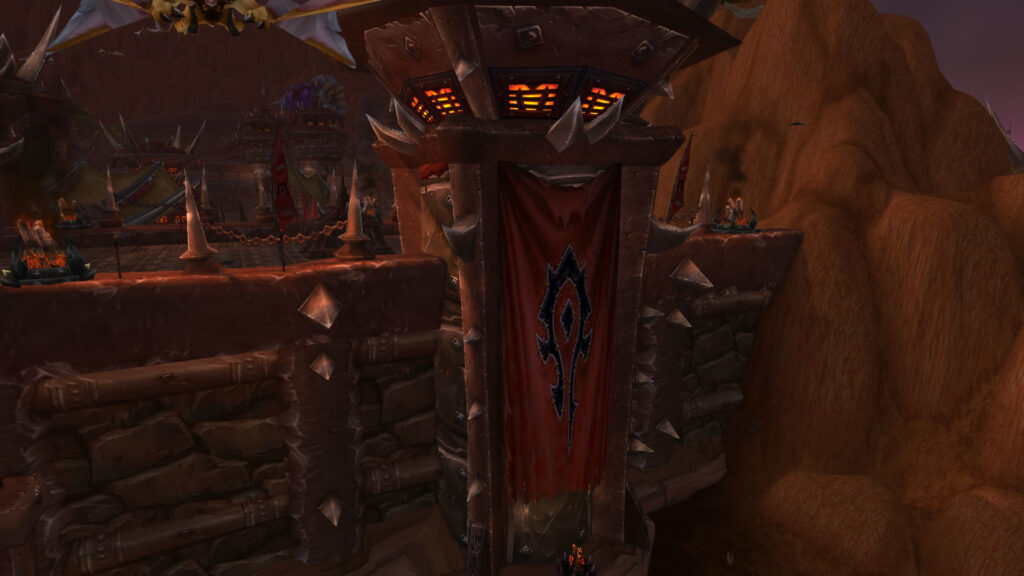
What were the key events leading to the founding of Durotar?
The founding of Durotar was primarily influenced by the aftermath of the Third War, the rise of Thrall, and the strategic decisions made by the orcish Horde.
After the Third War, the orcish Horde faced a dire need for a new homeland. The remnants of the Horde, led by Thrall, sought to escape the oppression they faced in Lordaeron and the remnants of their past. Thrall, recognizing the need for unity and strength, aimed to establish a new territory where the orcs could thrive. This led to the exploration of Kalimdor, where they encountered various factions, including the Night Elves and the Tauren. Each encounter was fraught with tension, as the orcs had to navigate the delicate balance of diplomacy and warfare to secure their place in this new world.
Thrall’s leadership was instrumental in forging alliances, particularly with the Tauren, who shared a common enemy in the centaurs. The orcs’ military prowess and the Tauren’s knowledge of the land created a formidable partnership. However, this alliance was not without its challenges, as the orcs had to confront their violent past and the bloodshed that often accompanied their expansion. The establishment of Durotar was not merely a territorial claim; it was a declaration of the orcs’ intent to build a society based on honor and strength, setting the stage for future conflicts and alliances.
How did secret treaties influence the political landscape of Durotar?
Secret treaties played a crucial role in shaping the political alliances and conflicts that defined Durotar’s early years.
In the tumultuous environment of Kalimdor, Thrall and his advisors recognized the importance of forming covert alliances to bolster their position. These secret treaties often involved negotiations with other factions, such as the Night Elves and the trolls, who were wary of the orcish presence. By establishing these clandestine agreements, Thrall aimed to secure resources and military support while minimizing open conflict. The treaties often included terms for mutual defense, trade agreements, and shared intelligence on enemy movements, which were vital for the survival of the fledgling Durotar.
One notable treaty was the agreement with the Darkspear trolls, who were struggling against the oppressive forces of the Alliance. In exchange for orcish military support, the trolls agreed to share their knowledge of the jungles and the dangers that lurked within. This alliance not only strengthened Durotar’s military capabilities but also provided critical insights into the local geography, allowing the orcs to navigate their new environment more effectively. However, these secretive dealings also sowed seeds of distrust among other factions, leading to future conflicts that would test the strength of Durotar’s alliances.
- Establish communication channels with potential allies to discuss mutual interests.
- Negotiate terms that benefit both parties while ensuring secrecy to avoid backlash.
- Regularly assess the political climate to adapt treaties as necessary.
- Maintain a strong military presence to deter potential betrayals from allies.
What were the major battles that shaped Durotar’s foundation?
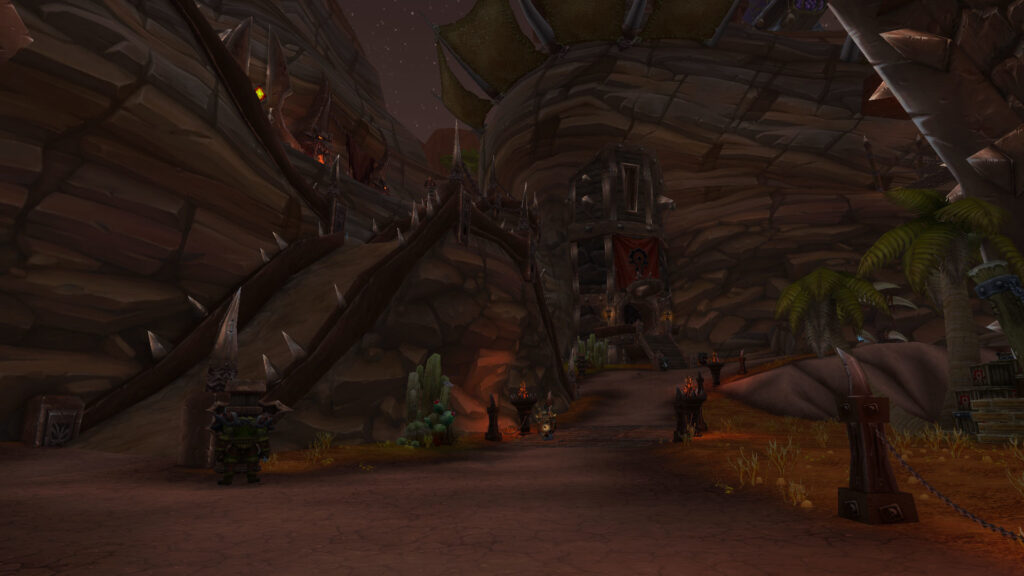
The major battles that shaped Durotar’s foundation included the skirmishes against the centaurs and the conflicts with the Alliance forces.
As the orcs settled in Durotar, they faced immediate threats from the centaur tribes, who were fiercely protective of their territory. The first major battle occurred near the Echo Isles, where the orcs, alongside their troll allies, engaged in a series of skirmishes to establish control over the region. These battles were characterized by brutal tactics and high casualties on both sides, highlighting the orcs’ determination to secure their new homeland. The centaurs, known for their cavalry and guerilla tactics, posed a significant challenge, forcing the orcs to adapt their strategies and utilize their shamanistic powers to gain an advantage.
In addition to the centaur threat, the orcs faced incursions from the Alliance, who were wary of the orcish resurgence in Kalimdor. The Battle of Durotar was a pivotal moment, where the orcs defended their territory against a coordinated attack from human and night elf forces. This battle showcased the orcs’ resilience and tactical prowess, as they utilized the terrain to their advantage and executed flanking maneuvers. The outcome solidified Durotar’s status as a formidable power in Kalimdor, but it also set the stage for ongoing conflicts with the Alliance, which would continue to shape the political landscape of the region.
| Battle Name | Date | Key Factions Involved | Outcome |
|---|---|---|---|
| Battle of the Echo Isles | Year 1 of the New Horde | Orcish Horde, Darkspear Trolls vs. Centaurs | Orcish Victory |
| Battle of Durotar | Year 2 of the New Horde | Orcish Horde vs. Alliance Forces | Orcish Victory |
| Skirmishes with Night Elves | Year 3 of the New Horde | Orcish Horde vs. Night Elves | Stalemate |
What were the critical parameters for establishing a successful empire in Durotar?
Establishing a successful empire in Durotar required strategic military planning, effective resource management, and strong diplomatic relations.
The orcs faced numerous challenges in building their empire, including resource scarcity and the need for a stable population. Effective resource management was essential, as the harsh environment of Durotar required careful planning to ensure the survival of their people. This involved establishing trade routes with allied factions and securing access to vital resources such as food, water, and materials for construction. The orcs also had to implement agricultural practices suited to the arid climate, which included irrigation systems and crop rotation to maximize yield.
Military planning was equally critical, as the orcs needed to defend their territory against external threats while also maintaining internal order. This involved training a well-disciplined army and developing strategies that utilized their strengths in combat. Additionally, forging strong diplomatic relations with neighboring factions was vital for securing alliances and minimizing conflicts. The orcs had to navigate a complex web of political relationships, often requiring them to balance aggression with diplomacy to maintain peace and stability in Durotar.
How can players leverage the lore of Durotar in their gameplay?
Players can leverage the lore of Durotar by understanding its historical context, engaging with its factions, and utilizing its resources effectively.
Understanding the lore of Durotar enhances the gameplay experience, allowing players to immerse themselves in the rich narrative. By engaging with the various factions, players can unlock unique quests and rewards that reflect the history of the region. For instance, aligning with the orcs can provide insights into their struggles and triumphs, while working with the Tauren can reveal their connection to the land and its spirits. This engagement not only enriches the story but also offers practical benefits in terms of gameplay mechanics.
Additionally, players should utilize the resources available in Durotar to optimize their character builds and strategies. Gathering materials for crafting and understanding the local fauna can provide advantages in combat and survival. Players can also participate in events that reflect the ongoing conflicts and alliances in Durotar, allowing them to shape the future of the region through their actions. By leveraging the lore, players can create a more meaningful and impactful gameplay experience.
What are the best practices for navigating the political landscape of Durotar?
Best practices for navigating the political landscape of Durotar include building alliances, understanding faction dynamics, and adapting to changing circumstances.
To successfully navigate the political landscape, players should focus on building strong alliances with key factions. This involves completing quests that enhance reputation and trust, as well as participating in joint ventures that benefit both parties. Understanding the dynamics between factions is crucial, as players must be aware of historical grievances and current tensions that could influence their interactions. By fostering positive relationships, players can gain access to exclusive resources and support during conflicts.
Additionally, players must remain adaptable to the ever-changing political climate. This means staying informed about the latest developments within Durotar and being prepared to shift strategies as necessary. Engaging in diplomacy, participating in negotiations, and being willing to compromise can often lead to more favorable outcomes than outright aggression. By employing these best practices, players can effectively navigate the complexities of Durotar’s political landscape and contribute to the ongoing story of the orcish empire.
Frequently Asked Questions
What role did Thrall play in the founding of Durotar?
Thrall was the key leader in the founding of Durotar, guiding the orcs to establish a new homeland after the Third War. His vision for a united orcish society and strategic alliances with other races were crucial for the survival and growth of the new territory.
How did the orcs establish their military presence in Durotar?
The orcs established their military presence through rigorous training and strategic planning, utilizing their combat skills to defend against threats from centaurs and the Alliance. They also formed alliances with other factions to bolster their military capabilities.
What challenges did the orcs face in Durotar?
The orcs faced numerous challenges, including resource scarcity, external threats from hostile factions, and the need to build a stable society. Navigating these challenges required effective leadership, strategic alliances, and adaptability to the changing political landscape.