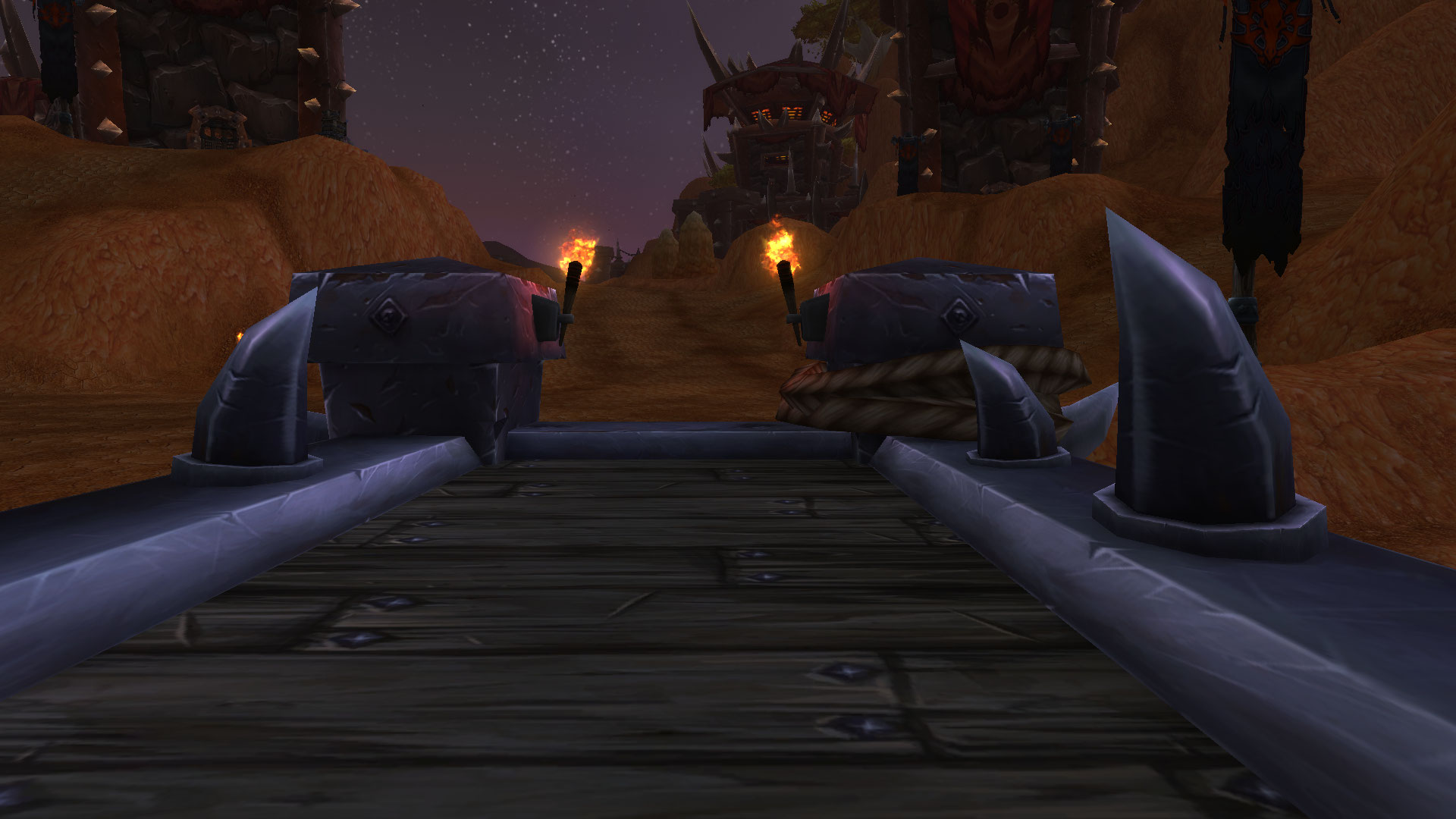
The Siege of Orgrimmar raid in World of Warcraft: Mists of Pandaria showcased a shift in raid design philosophy, demonstrating that epic encounters need not culminate in a colossal final boss. Instead, the Spoils of Pandaria encounter emphasized mechanics, teamwork, and strategic execution over sheer size. This approach not only enriched the gameplay experience but also highlighted the importance of diverse encounter design. By analyzing the Spoils of Pandaria, we can understand how this encounter redefined expectations for raid encounters in MMORPGs.
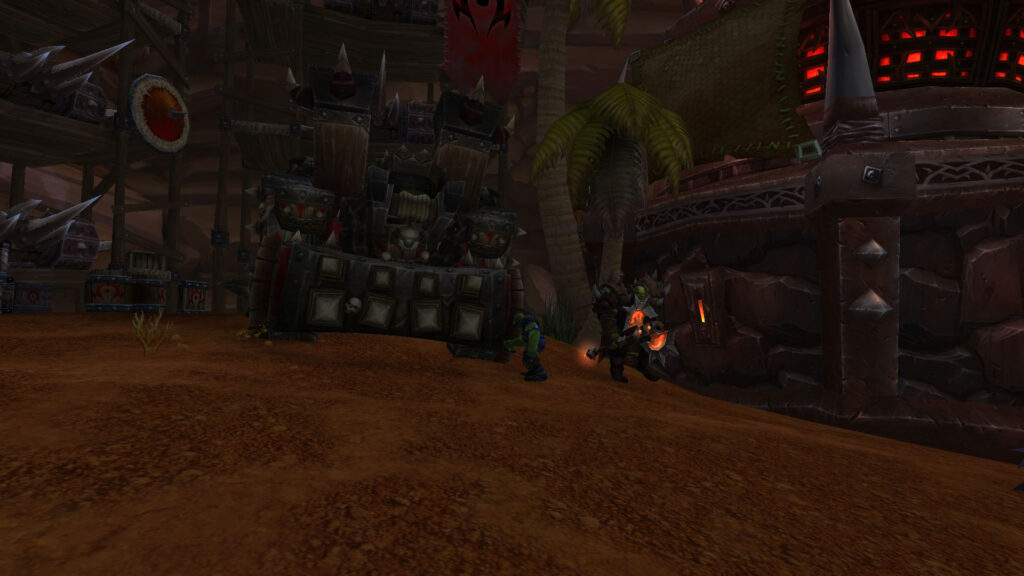
What Are the Key Mechanics of the Spoils of Pandaria Encounter?
The Spoils of Pandaria encounter features unique mechanics that focus on teamwork and strategy rather than a single massive boss fight.
This encounter is divided into two phases, where players must manage multiple mechanics simultaneously. The table below outlines the critical metrics and mechanics that define this encounter, showcasing how they differ from traditional boss fights.
| Mechanic | Phase 1 | Phase 2 | Team Coordination |
|---|---|---|---|
| Mob Types | Two types of mobs: Constructs and Spirits | Increased mob variety with different abilities | Requires precise communication |
| Environmental Hazards | Static traps that deal damage | Dynamic hazards that change positions | Coordination to avoid damage |
| Loot Mechanic | Randomized loot from defeated mobs | Strategic choices on which mobs to prioritize | Encourages teamwork for optimal loot |
How Did Spoils of Pandaria Change Raid Design Philosophy?
The Spoils of Pandaria encounter shifted the focus from giant bosses to engaging mechanics and teamwork.
Traditionally, raids culminated in a climactic battle against a massive boss, often leading to predictable strategies and gameplay. However, the Spoils of Pandaria introduced a multi-faceted encounter that required players to adapt to various mob types and mechanics. This shift not only challenged players’ abilities to execute strategies but also encouraged them to think critically about their roles within the raid. The design emphasized that the essence of a raid encounter could be derived from the interactions between players and the environment, rather than the size of the foe they faced.
Mechanically, the encounter required players to manage multiple objectives simultaneously, creating a dynamic environment that kept players engaged. The introduction of randomized loot from different mob types added an element of unpredictability, forcing players to adapt their strategies on the fly. This design philosophy has since influenced other MMORPGs, encouraging developers to explore diverse encounter types that prioritize player interaction over traditional boss fights. The success of this approach is evident in subsequent expansions, where encounters often feature multiple mechanics that require teamwork and coordination.
What Are the Steps to Successfully Complete the Spoils of Pandaria Encounter?
Successfully completing the Spoils of Pandaria encounter requires a strategic approach and clear communication among team members.
To navigate this encounter effectively, players must understand the mechanics and coordinate their actions. The following steps outline a clear approach to mastering this encounter, ensuring that all players are aligned and prepared for the challenges ahead.
- Assign roles based on player strengths, ensuring that each member understands their responsibilities during the encounter.
- Communicate effectively to manage mob types and environmental hazards, using voice chat or in-game tools to relay information.
- Prioritize targets based on their abilities and the current phase of the encounter, adapting strategies as needed.
- Monitor health and cooldowns closely, ensuring that players are prepared for the dynamic nature of the fight and can react accordingly.
What Are the Best Strategies for Maximizing Loot in the Spoils of Pandaria Encounter?
Maximizing loot in the Spoils of Pandaria requires strategic prioritization and teamwork to ensure optimal outcomes.
Understanding the loot mechanics is crucial for players looking to maximize their rewards from this encounter. The randomized loot system encourages players to focus on specific mobs that yield higher-quality items. By prioritizing certain mob types and coordinating with teammates, players can enhance their chances of obtaining valuable gear. This strategic approach not only improves individual rewards but also contributes to the overall success of the raid.
Additionally, players should consider the timing of their attacks and the use of cooldowns to optimize damage output. By managing resources efficiently and communicating with teammates, players can ensure that they are defeating mobs in a timely manner, allowing for more loot opportunities. This encounter exemplifies how strategic planning and teamwork can lead to greater rewards, reinforcing the idea that raids do not need a singular final boss to deliver a fulfilling experience.
What Common Issues Arise During the Spoils of Pandaria Encounter?
Common issues during the Spoils of Pandaria encounter include miscommunication and poor mob management, which can hinder success.
Players often face challenges related to coordination and execution during this encounter. Miscommunication can lead to players failing to prioritize the correct mobs or not avoiding environmental hazards effectively. Additionally, players may struggle with understanding their roles, resulting in inefficient mob management and wasted resources. These issues can significantly impact the overall performance of the raid, leading to frustration and potential wipes.
To mitigate these challenges, teams should establish clear communication protocols and ensure that all members understand their roles before engaging in the encounter. Regular practice and review of strategies can also help players become more familiar with the mechanics, reducing the likelihood of errors. By addressing these common issues proactively, teams can enhance their performance and enjoy a more rewarding experience in the Spoils of Pandaria encounter.
What Future Trends Can We Expect in Raid Design Following Spoils of Pandaria?
Future raid design trends are likely to emphasize diverse mechanics and player interaction over traditional boss fights.
The success of the Spoils of Pandaria encounter has set a precedent for future raid designs, encouraging developers to explore innovative mechanics that prioritize teamwork and strategy. As players seek more engaging experiences, we can expect to see an increase in encounters that feature multiple objectives, dynamic environments, and varied mob types. This trend reflects a broader shift in player expectations, where the focus is on the journey and the interactions between players rather than the size of the final boss.
Moreover, as technology advances, developers may incorporate more complex mechanics that challenge players in new ways. This could include environmental interactions, evolving mob behaviors, or even narrative-driven encounters that require players to make choices that impact the outcome. The evolution of raid design will likely continue to prioritize player engagement and creativity, ensuring that each encounter feels unique and rewarding.