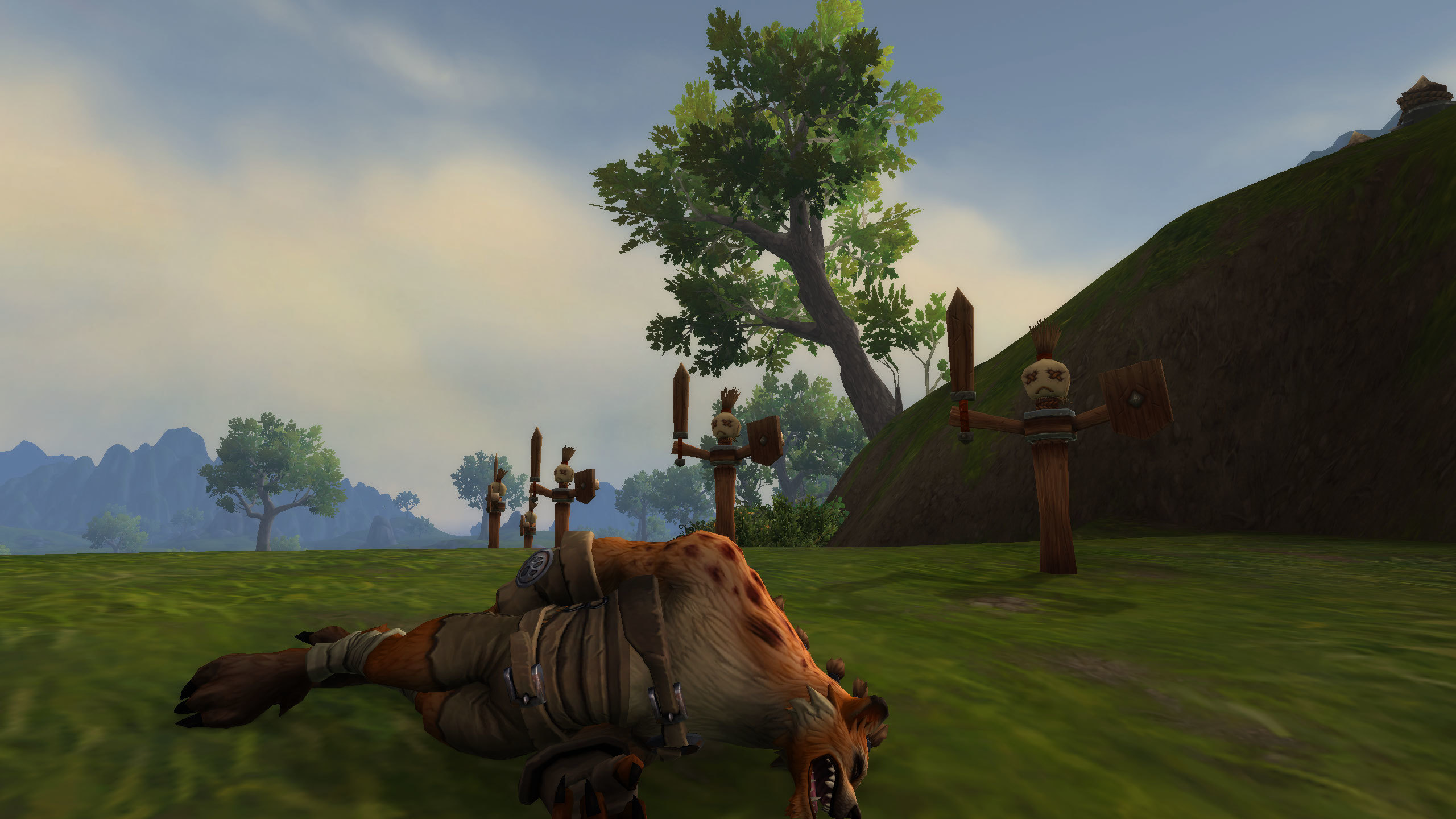
The gap between a mediocre player and an elite one is found in Rotational Automation. However, the traditional method of practice—standing at a wooden training dummy for hours—leads to Sensory Deprivation and extreme boredom. When the brain is bored, it stops learning and begins to “zone out,” reinforcing bad habits rather than building good ones. To improve, you must transform practice into a series of Engaging Simulations that challenge your mind as much as your fingers.
The Concept of “Stress-Testing”
A rotation performed in a vacuum is useless. In a real encounter, you will be moving, target-swapping, and managing cooldowns under pressure. Practice should mimic this Environmental Complexity. Boredom is often just a lack of challenge. By introducing artificial variables into your practice, you move from mindless repetition to Active Mastery.
The Engagement Matrix: Beyond the Target Dummy
| Practice Mode | The Activity | Psychological Driver | Skill Developed |
|---|---|---|---|
| The Chaos Trial | Soloing old raid bosses while talking aloud | Multitasking under pressure | Cognitive automation of the rotation |
| The Proving Grounds | Specific solo-scenario challenges | Objective-based focus | Utility integration and target swapping |
| The Low-Key Sprint | Running “easy” dungeons with a focus on 100% uptime | Competitive drive | Uptime management during movement |
| The World-Boss Blitz | Testing openers on massive HP targets in the world | Visual variety and social presence | Muscle memory for burst windows |
| The Visual Blackout | Practicing at a dummy with the Action Bar hidden | Sensory reliance shift | Deep internalizing of ability timing |
Gamifying the Grind
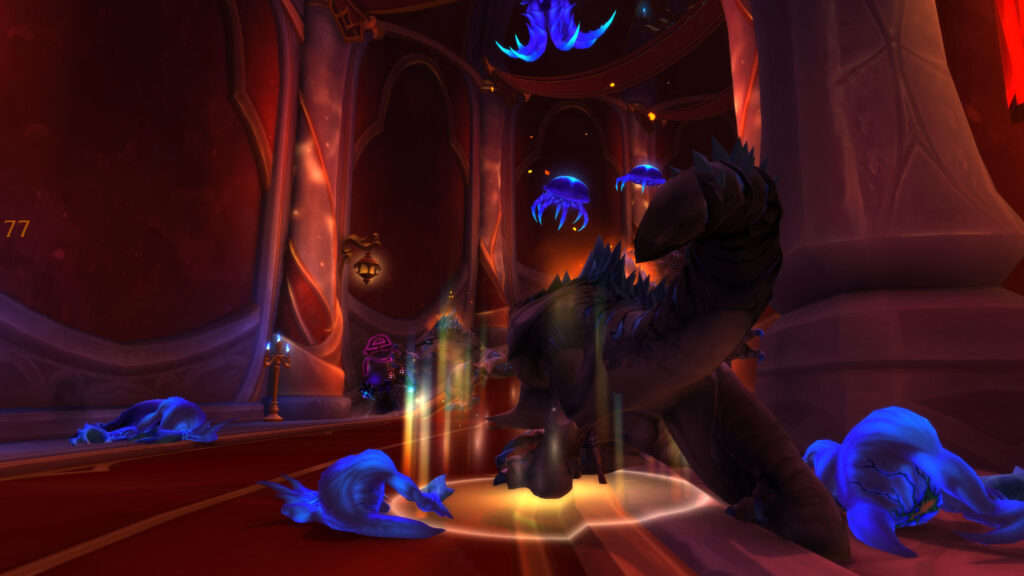
Use external metrics to turn practice into a game. Set a timer for three minutes and try to hit a specific damage “milestone” or resource-spending goal. This creates a Feedback Loop that prevents the mind from wandering. When there is a “Win Condition” for your practice session, the boredom is replaced by Target-Oriented Focus. You aren’t just hitting a dummy; you are trying to beat your previous high score.
The Role of Short, Frequent Bursts
Long practice sessions are less effective than short, high-intensity ones. The brain learns better through Spaced Repetition. Ten minutes of focused rotation practice before your first dungeon of the day is more valuable than two hours of exhausted mashing on a Saturday. By keeping your sessions brief and varied, you maintain Mental Freshness, ensuring that every button press is intentional and every improvement is permanent.
Conclusion: The Flow of the Master
Rotation practice shouldn’t be a chore you dread; it should be the laboratory where you refine your legend. By varying your environment and challenging your focus, you build the muscle memory required to excel in high-tier content. When the rotation becomes second nature, you are free to actually play the game—watching the world, the boss, and your teammates, while your fingers handle the destruction automatically.